

A new way forward in recurrent UTI care
an antibiotics-free alternative for your patients
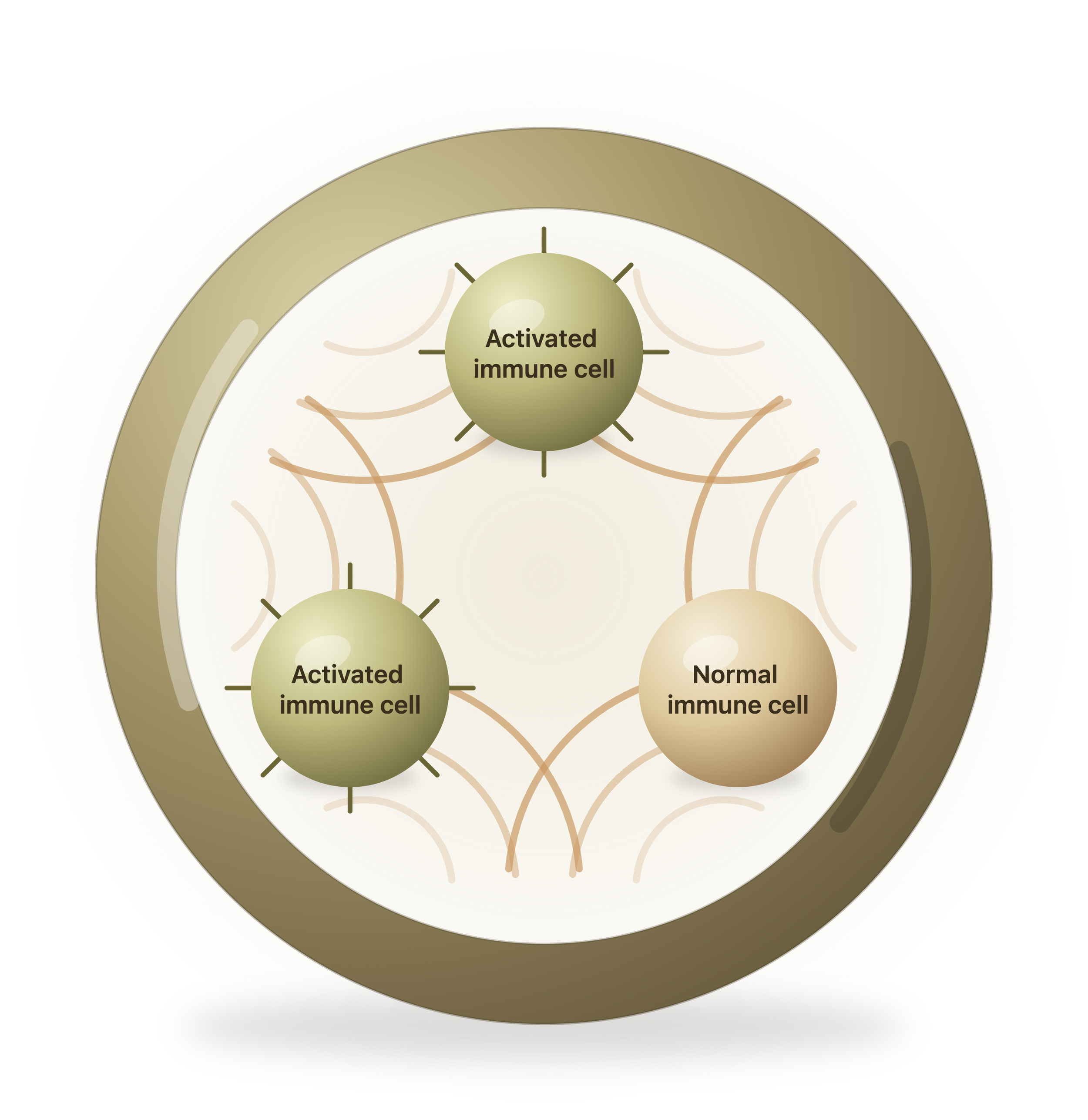
ImmunoRing aims to offer healthcare professionals a new, non-pharmacological approach designed to support the body’s natural defense response. Through patented low-frequency electromagnetic technology, ImmunoRing is designed to modulate innate immune responses and help the body respond earlier to recurring urinary tract infections.
Planned to be a safe, non-invasive, drug-free technology that provides patients with an additional option alongside existing approaches — helping address the burden of recurrent UTIs and repeated antibiotic use.
Helping the body respond earlier
The timing and regulation of the immune response play a critical role in the outcome of bacterial infections. In recurrent infections, pathogens may exploit delays or imbalances in early immune responses, allowing them to persist and contribute to repeated episodes.
Emerging research suggests that low-frequency electromagnetic fields (LF-EMF) may influence biological processes involved in immune regulation. Studies in cellular, animal, and human models indicate that LF-EMF exposure can affect immune cell activity, including neutrophil function, and may support the regulation of inflammatory and antimicrobial responses.
Neutrophils represent one of the body’s first lines of defense against bacterial infections. By supporting early innate immune responses, including neutrophil activity, LF-EMF technology is being investigated as a potential approach to address one of the key challenges in recurrent urinary tract infections (UTIs): the ability of bacteria to persist despite the body’s natural defense mechanisms.
ImmunoRing translates these scientific insights into a practical, non-invasive, at-home technology designed to support immune modulation and help the body respond earlier to recurring urinary tract challenges.
Our journey and where we are today
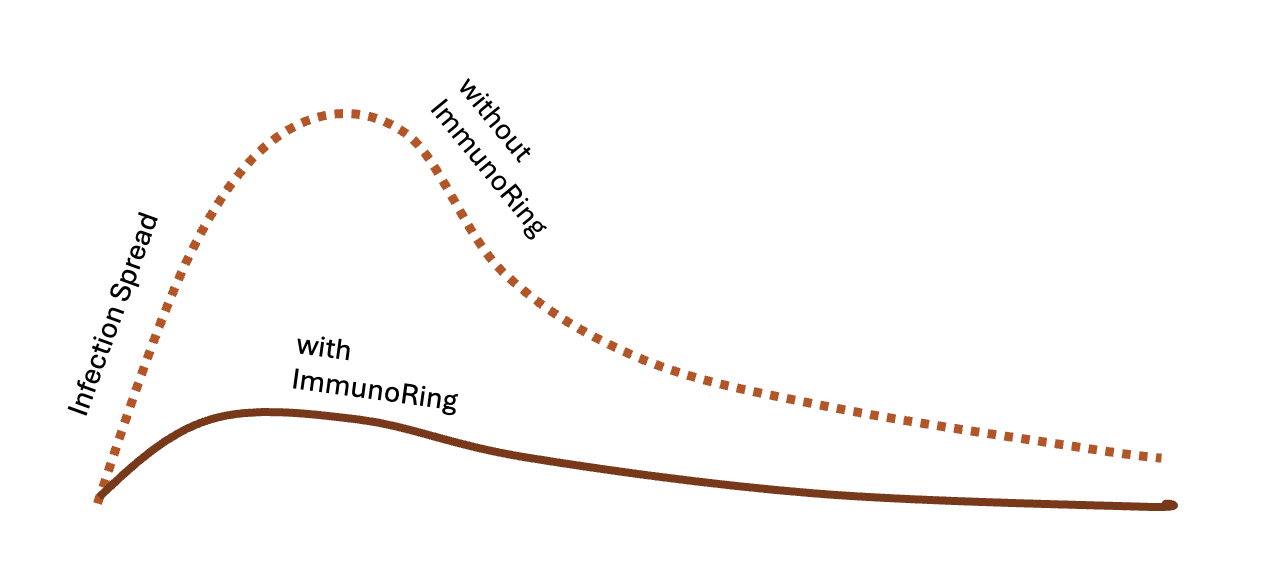
ImmunoRing R&D undergoes rigorous validation to ensure it meets the highest standards in effectiveness and safety. Our team has a several publications on its name and builds on leading publications of others. But let’s be honest: we still have obstacles to overcome. We are currently in the proces of getting METC approval for our second human clinical study for mitigating rUTI. Afterwards, we still have several steps to go, towards CE compliance. The aimed result: a device that delivers proven technical capability and clinical reliability.
-
We've demonstrated that electromagnetic fields can enhance immune function in diverse animal models.
Our comprehensive research program has revealed consistent immune-stimulating effects of low-frequency electromagnetic fields (EMFs) across multiple species and experimental models.
Our Key Discoveries
In fish and chickens, we showed that weak LF EMF exposure stimulates immune responses, providing early evidence of electromagnetic field effects on immunity (Environmentalist, 2007). Building on this, we demonstrated that EMF exposure exerts an antagonistic effect against coccidiosis infection in broiler chickens, offering potential therapeutic applications in poultry health (Poultry Science, 2007).
Our work in mammalian models further confirmed these findings: short-term ELF EMF exposure increases circulating leukocyte numbers and modulates HPA-axis signaling in mice (Bioelectromagnetics, 2016), demonstrating systemic immune activation.
The Significance
Across fish, birds, and mammals, our studies consistently show that electromagnetic fields can actively modulate immune function. This cross-species validation strengthens the scientific foundation for understanding EMF-immune system interactions.
Why It Matters
Our research opens new possibilities for EMF-based immune modulation therapies and provides critical insights into the biological mechanisms underlying electromagnetic field effects on living organisms.
-
Our Groundbreaking Study: Electromagnetic Fields Enhance Immune Defense
We've uncovered a fascinating connection between electromagnetic fields and immune function.
In our pioneering research published in the Journal of Innate Immunity (2015), we demonstrated that low-frequency electromagnetic field (LF EMF) exposure significantly boosts the immune response of human neutrophils—our body's first line of defense against infections.
Our Key Discovery
We found that neutrophils, when exposed to LF EMFs, dramatically increase production of neutrophil extracellular traps (NETs)—DNA nets coated with antimicrobial proteins that ensnare and destroy pathogens. This represents a *novel mechanism* by which electromagnetic fields can enhance immune function.
The Science Behind It
Our study identified the NADPH pathway as the critical metabolic process driving this enhancement, revealing a previously unknown interaction between electromagnetic fields and immune cell biology.
Why It Matters
This breakthrough finding suggests that electromagnetic fields can actively modulate immune function, opening new therapeutic possibilities. Our work provides the scientific foundation for developing innovative approaches that leverage this natural mechanism.
-
We've demonstrated that low-frequency electromagnetic fields can directly activate immune cells in the human body.
In our randomized, placebo-controlled crossover study published in Bioelectromagnetics (2022), we showed that exposure to a 5 μT low-frequency electromagnetic field signal for just 30 minutes activates human neutrophils in vivo.
Our Key Discovery
Using a rigorous experimental design, we measured neutrophil granularity in blood samples from healthy volunteers. Our findings confirm that LF-EMF exposure triggers a measurable activation response in these critical immune cells, providing direct evidence of electromagnetic field effects on human immunity.
The Significance
This study marks the first in vivo demonstration that low-intensity electromagnetic fields can modulate human neutrophil activity. Our work establishes a foundation for understanding how electromagnetic fields interact with the immune system in real-world conditions.
Why It Matters
This breakthrough confirms that electromagnetic fields can actively influence immune function in humans, opening new possibilities for therapeutic applications and advancing our understanding of bioelectromagnetic interactions.
-
What the study was about
A randomized controlled study investigated whether modulated extremely low-frequency electromagnetic fields (ELF-EMF) could support women suffering from chronic, antibiotic-resistant E. coli cystitis. The study included 148 women who received either ELF-EMF exposure or a placebo (sham) treatment over a four-week period.
Key discovery
The study found that women receiving ELF-EMF treatment showed significant improvements compared with the placebo group. Researchers observed a reduction in urinary E. coli levels, together with decreases in inflammatory markers such as IL-6 and improvements in reported symptoms.
The findings suggest that targeted electromagnetic field exposure may influence biological processes involved in infection response, including antimicrobial activity and immune regulation.
Why it matters
Recurrent urinary tract infections remain a major challenge, often leading to repeated antibiotic use and increasing concerns about antimicrobial resistance. This research highlights the potential of non-pharmacological approaches that support the body’s own defense mechanisms.
These findings contribute to a growing field of research exploring how low-frequency electromagnetic technology may influence immune responses, including the activity of key immune cells such as neutrophils.
ImmunoRing builds on these scientific insights by applying patented low-frequency electromagnetic technology in a practical, non-invasive, at-home solution designed to support the body’s natural response to recurrent UTIs.
-
The full study will start after METC approval. During that study, patients will get an ImmunoRing delivered at home and use it three times spread over the first days of an episode. The study will be randomized and double blind which means that for each two episodes one time the device will be active and the other time placebo. Patients and investigators will not have information what is active and what is placebo.
It is important that normal care for the episodes continues unchanged, including how it is decided to use antibiotics and when. In that way true and objective evidence can be gathered on whether and how ImmunoRing reduces pain, helps resolve the infection quickly, and reduce how often antibiotics are needed.
-
Planned to achieve after human pilot study to have a safe and effective ImmunoRing.
immunoring clinical study Q4 2026 brainport region - netherlands
rUTI isn’t "just a bladder infection”. It’s a chronic condition for many women with depression rates rivaling other chronic diseases (e.g., diabetes), severe anxiety, and life-altering Quality of Life decline.
We are preparing a clinical study and ready to empower healthcare professionals and patients with a drug-free, hassle-free alternative in treating infections. We’re on a mission to change lives, treating infections with the body’s own immune system instead of antibiotics.
Are you a patient, healthcare professional or investor that believes in doing things differently? Register for our Clinical Study or contact us directly.